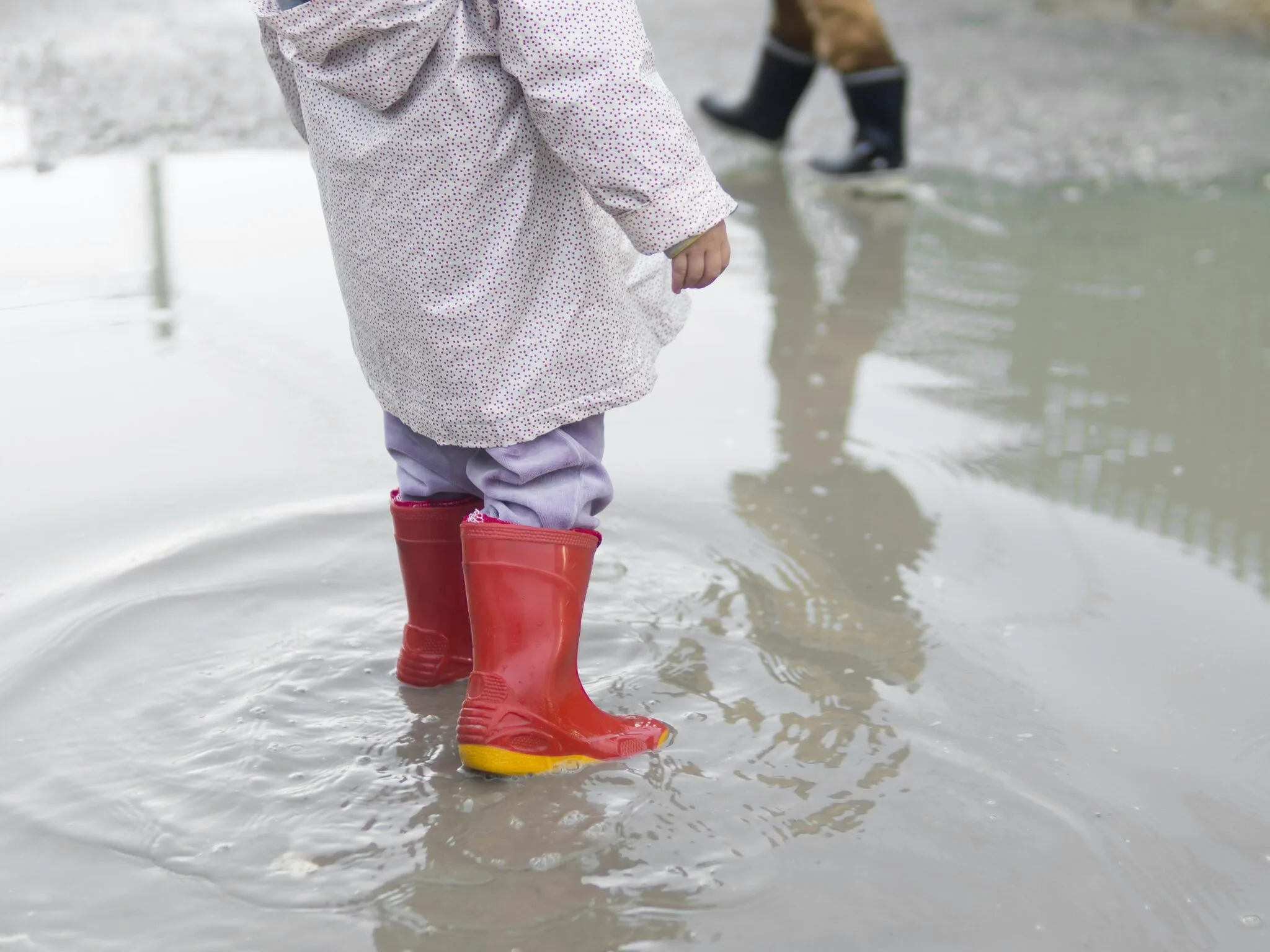
Floods can occur with very little warning. Whether it’s from heavy rainfall, tropical storms, or a nearby canal overflowing, water can cause devastating damage in minutes. But not everything is out of your control. With preparation and preventive action, you can protect your home and reduce the impact of a flood.
Here are key steps to help minimize the damage before the water arrives:
1. Seal Vulnerable Areas in the Structure
Start by inspecting your home for cracks in the walls, foundation, and basement. Use waterproof sealants arounddoors, windows, and plumbing to prevent water from seeping in. If you live in a flood-prone area, consider upgradingto water-resistant doors to block water entry more effectively.
2. Elevate Equipment and Electrical Systems
Make sure electrical outlets, switches, circuit breakers, and appliances are positioned above your home’s base floodelevation. Elevate your washer, dryer, water heater, and HVAC systems using concrete platforms or sturdy supports. These small adjustments can prevent significant water damage and electrical hazards.
3. Protect Your Valuable Belongings
Store important documents, family photos, and valuables in waterproof containers. Move high-value items to upperfloors or the attic during flood alerts. In flood-prone rooms, use furniture made from water-resistant materials to reduce the chance of loss or damage.
4. Install Backflow Valves
Backflow valves are designed to prevent sewage from backing up into your home during floods. Installing these valvesis a small investment that can save you from serious damage and sanitation issues.
5. Check Drainage and Gutters
Keep gutters, downspouts, and yard drains clear of leaves and debris to ensure water flows away from your home’sfoundation. If your property sits in a low-lying area, consider installing a sump pump to remove excess water before itbecomes a problem.
6. Create an Inventory and Take Photos
Take photos or videos of your belongings, especially electronics, furniture, and valuables. Keep digital copies of thisinventory stored online or emailed to yourself. This step can make a big difference if you ever need to file a flood insurance claim.
Do You Have Flood Insurance?
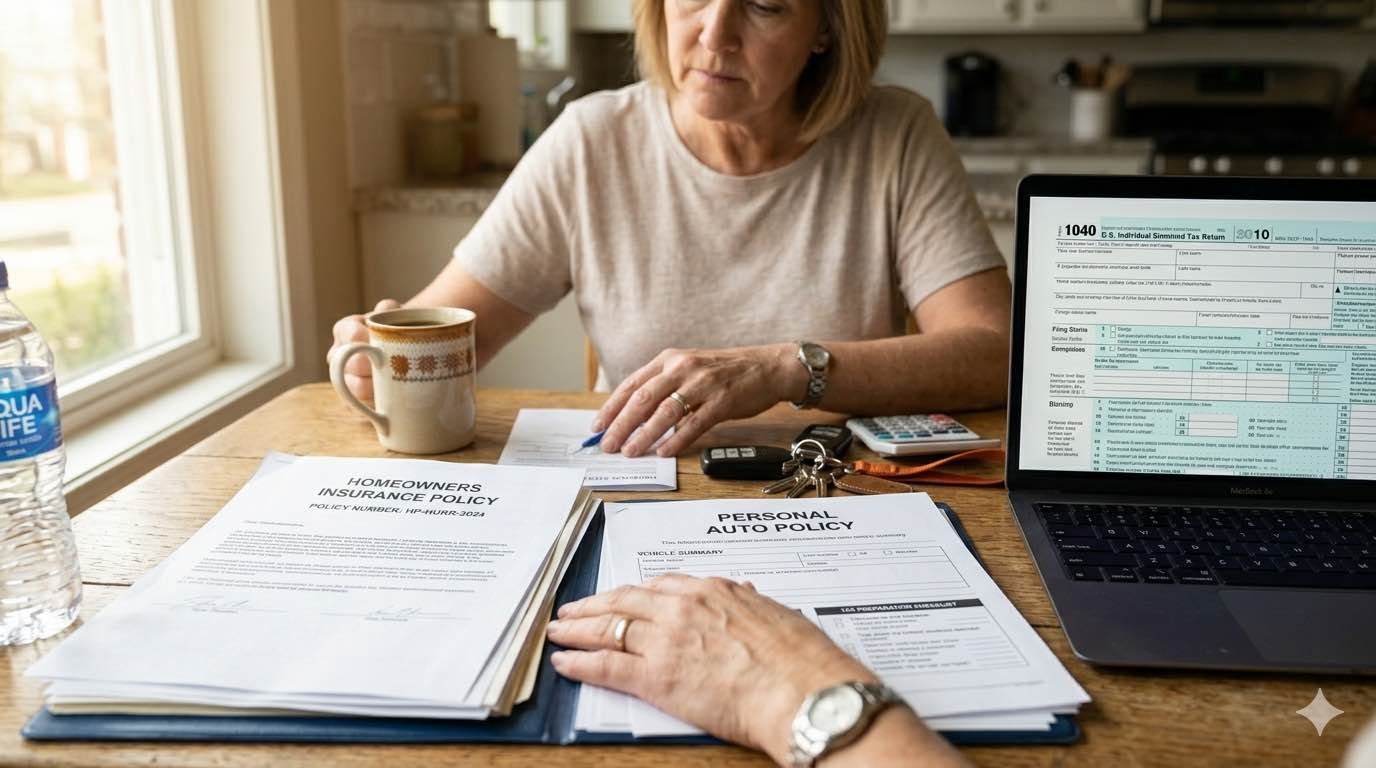
Being physically prepared is essential, but financial protection is just as important. A flood insurance policy can helpyou recover your home and possessions after a disaster. Remember: homeowners insurance does not cover flooddamage. Make sure you’re covered before the next storm.
Conclusion
Preparing your home today can make all the difference between a minor inconvenience and a total loss. Floods can’talways be avoided, but their impact can be reduced. Take action now to protect what matters most.