
Telemarketing Scripts: Preparing for Hurricane Season 2026
Hurricane season officially starts June 1. That means you have about six weeks to prospect before chaos arrives. And trust me, you want to make your calls now, not when the first storm appears on the radar.
These telemarketing scripts for hurricane season in Florida will help you connect with prospects while they still have time to think, compare options, and make smart decisions. Let’s get straight to what works.
Why April and May are the perfect months
There’s a golden window for selling hurricane-related insurance, and it’s now. Here’s why:
First, there’s no storm urgency. When there’s no hurricane on the map, people can make thoughtful decisions instead of panic decisions. That means more productive conversations and clients who actually understand what they’re buying.
Second, there’s time to add coverage without exclusions. Once a tropical storm is named, many insurers freeze new flood and windstorm policies. If your prospect waits until June or July, they might not be able to buy coverage even if they want to.
Third, waiting periods complete before peak season. NFIP has a 30-day waiting period for flood insurance. If someone buys in April, they’re covered by June. If they wait until late May, they could be uncovered during the critical first weeks.
Fourth, prices are more stable. During active season, some insurers adjust prices or limit capacity. Buying now generally means better options and better rates.
What the forecasts say for 2026
Colorado State University, one of the most respected forecasting centers, predicts a slightly below-average season: 13 named storms, 6 hurricanes, and 2 major hurricanes.
But here’s the important part: “below average” doesn’t mean “safe.” The probability of a major hurricane making U.S. landfall is 32%. That’s one in three. And it only takes one storm to cause massive damage.
The forecast also mentions a possible El Niño developing, which historically reduces Atlantic activity. But reduces, not eliminates. The years 2006, 2009, 2015, and 2023 were all El Niño seasons, and all had significant storms.
The message for your prospects: forecasts are tools, not guarantees. Preparation always wins.
Script for introducing the hurricane topic
Opening: “Hi [name], this is [your name] from [agency]. How are you? Hey, we’re just a few weeks away from hurricane season starting, and I wanted to see if you had a few minutes to review your insurance preparation. Is now a good time?”
If they say yes: “Perfect. The reason I’m calling now instead of June is that once they name the first storm, a lot of options close. Insurers stop issuing new flood and windstorm policies. I want to make sure you have time to review everything calmly. Can I ask you a few quick questions about your current coverage?”
Discovery questions:
- “Do you currently have flood insurance?”
- “Do you know what your hurricane deductible is?”
- “Does your auto policy include comprehensive?”
- “Have you reviewed your coverage limits in the past two years?”
Script specifically for flood insurance
Flood insurance is probably your biggest opportunity. Many homeowners assume their homeowners policy covers them, and they’re wrong.
Script: “One thing a lot of my clients don’t know is that homeowners insurance doesn’t cover flood damage. They’re two completely separate policies. And in Florida, you don’t need to live in a flood zone to have a flood claim. 25% of flood claims come from low or moderate risk zones.”
Pause to let them process, then continue: “The problem is there’s a 30-day waiting period before the policy takes effect. If we wait until there’s a storm coming, it’s already too late. Can I give you a quick quote so you can see how much it would cost to add flood to your coverage?”
Useful data: Average flood insurance cost in Florida runs between $700 and $1,500 per year depending on zone and property value. For many homes, that’s less than $100 per month.
Script for hurricane deductibles
Many homeowners don’t understand how their hurricane deductible works until they need it. That’s a problem.
Script: “Do you know how your hurricane deductible works? It’s different from your regular deductible. Instead of being a fixed amount like $1,000, it’s a percentage of your home’s insured value. If your home is insured for $400,000 and you have a 5% hurricane deductible, that means you pay the first $20,000 of any hurricane damage.”
If the prospect reacts with surprise: “Yes, a lot of people are surprised when they hear that for the first time. The good news is we can review your policy and see if there are options to adjust that deductible. Sometimes paying a little more in monthly premium is worth it so you don’t have to come up with $20,000 out of pocket if there’s a hurricane.”
Script for comprehensive auto
People think about their homes when they think about hurricanes, but their cars are also at risk.
Script: “Something a lot of people forget is auto insurance. If you have comprehensive coverage, your car is covered against hurricane damage: falling branches, flooding, flying objects. But if you only have liability, there’s no coverage. Your car can be destroyed and you get nothing.”
Follow-up question: “Do you know what type of coverage you currently have on your auto? I can review your policy in two minutes and confirm you’re protected.”
Script for umbrella insurance
Hurricanes can create liability situations people don’t anticipate.
Script: “One thing few people think about is liability after a hurricane. If a tree from your property falls on your neighbor’s car, or if someone gets hurt on your property during cleanup, you can be liable. Your homeowners has liability limits, and sometimes those limits aren’t enough. An umbrella policy gives you additional protection for relatively little money. Would you be interested in me quoting one for you?”
Handling common objections
Objection: “Nothing has ever happened to me”
Response: “I completely understand. And hopefully it stays that way. But the thing with hurricanes is that when it happens, it happens big. The average hurricane that makes landfall causes billions of dollars in damage. And Florida is the highest-risk state. It’s not a matter of if it will happen, but when. I’d rather have this conversation now, calmly, than when there’s a Category 3 storm heading toward us.”
Softer alternative: “You’re right, many years nothing major happens. But insurance is precisely for the years it does. How much would it cost to replace everything if your home floods? Do you have that amount available? Most people don’t, and that’s why insurance exists.”
Objection: “It’s too expensive”
Response: “I understand cost is an important consideration. But let me put it in perspective. Average flood insurance in Florida costs around $80 to $120 per month. An average flood claim is over $40,000. If your home floods and you don’t have insurance, where does that money come from?”
Offering options: “What I can do is show you different coverage and deductible options. Sometimes by adjusting the deductible we can lower the monthly premium to something more manageable. How about I prepare two or three options for you to compare?”
Objection: “I need to think about it”
Response: “Of course, it’s an important decision. I just ask that you consider one thing: every day that passes we’re closer to June 1. And if a storm forms before you decide, insurers may stop accepting new policies. I don’t want to pressure you, but I do want you to have all the information to make a decision before the window closes. What additional information do you need to decide?”
Products to promote this season
Your primary focus should be on these four products:
Flood insurance is number one. Most people don’t have it, everyone needs it, and there’s real urgency because of the waiting period.
Windstorm review for existing homeowners. Review limits, deductibles, and exclusions. Many policies have gaps people don’t know about.
Comprehensive auto for clients who only have liability. A relatively cheap add-on that can save a $20,000+ asset.
Umbrella insurance for homeowners with significant assets. Additional liability protection that becomes more relevant after catastrophic events.
Call timing during April and May
The last week of April and first two weeks of May are your sweet spot. People start thinking about hurricanes because media starts talking about forecasts, but there’s still no storm urgency.
Mondays and Tuesdays work better than Fridays. People are in problem-solving mode at the beginning of the week.
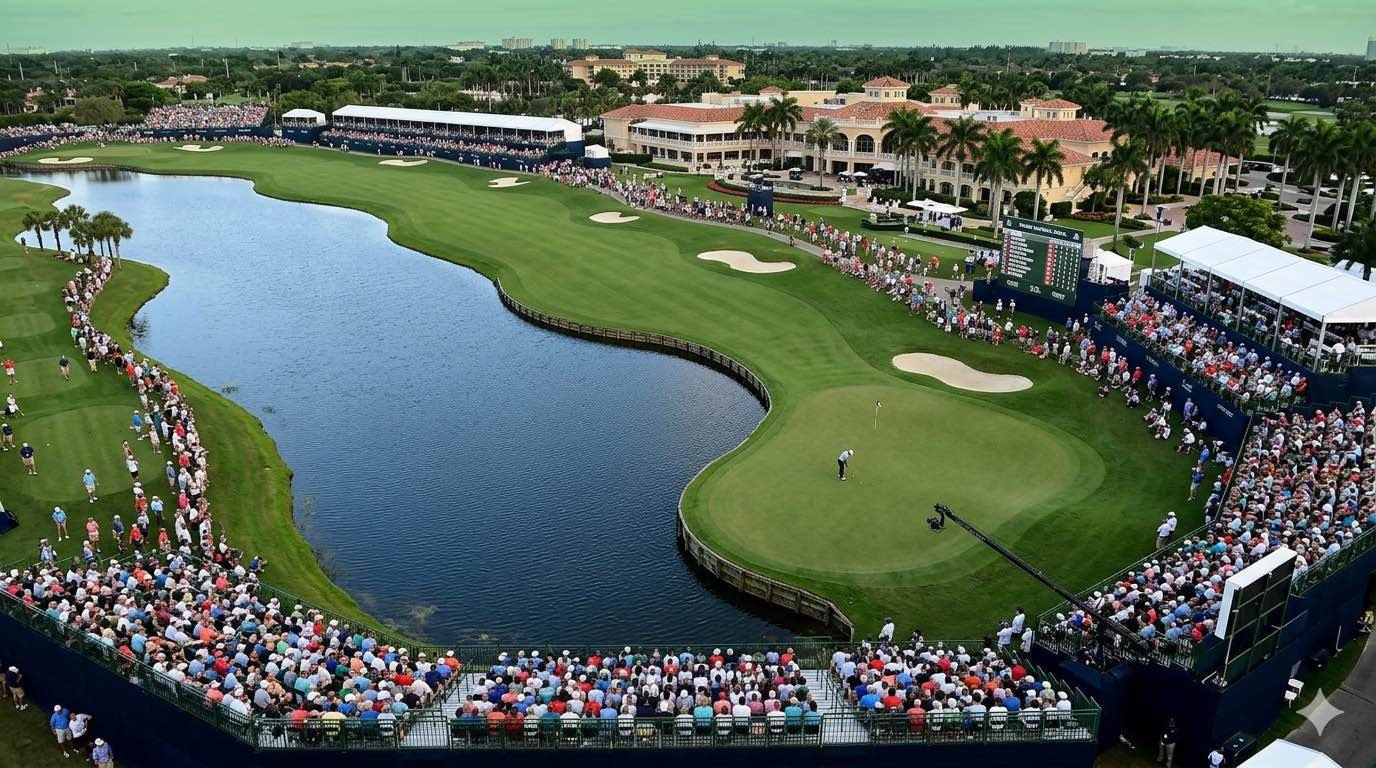
Avoid calling during major events (golf tournaments, festivals, holidays). Wait until the day after when people have returned to their routine.
The voicemail to leave
If no one answers, leave a clear and direct voicemail:
“Hi [name], this is [your name] from [agency]. Hurricane season starts in [X weeks] and I want to make sure your coverage is ready. Many insurers stop accepting new policies once the first storm is named. Call me at [number] to review your coverage before the window closes. Thanks.”
Keep the voicemail under 30 seconds. The urgency should be real but not alarmist.
Metrics for this season
During April and May, focus on these metrics:
Target contact rate: 30% or higher. People are receptive to this topic.
Flood quote conversion: 25% or higher. If you’re quoting and not closing, review your objection handling.
Upsell rate: For every flood you sell, try to add at least one additional product (umbrella, comprehensive auto, windstorm review).
Volume: Increase your call volume 30% during this window. It’s limited time, take advantage of it.
Ready to dominate hurricane season? Practice these scripts with your team and start prospecting before June 1.